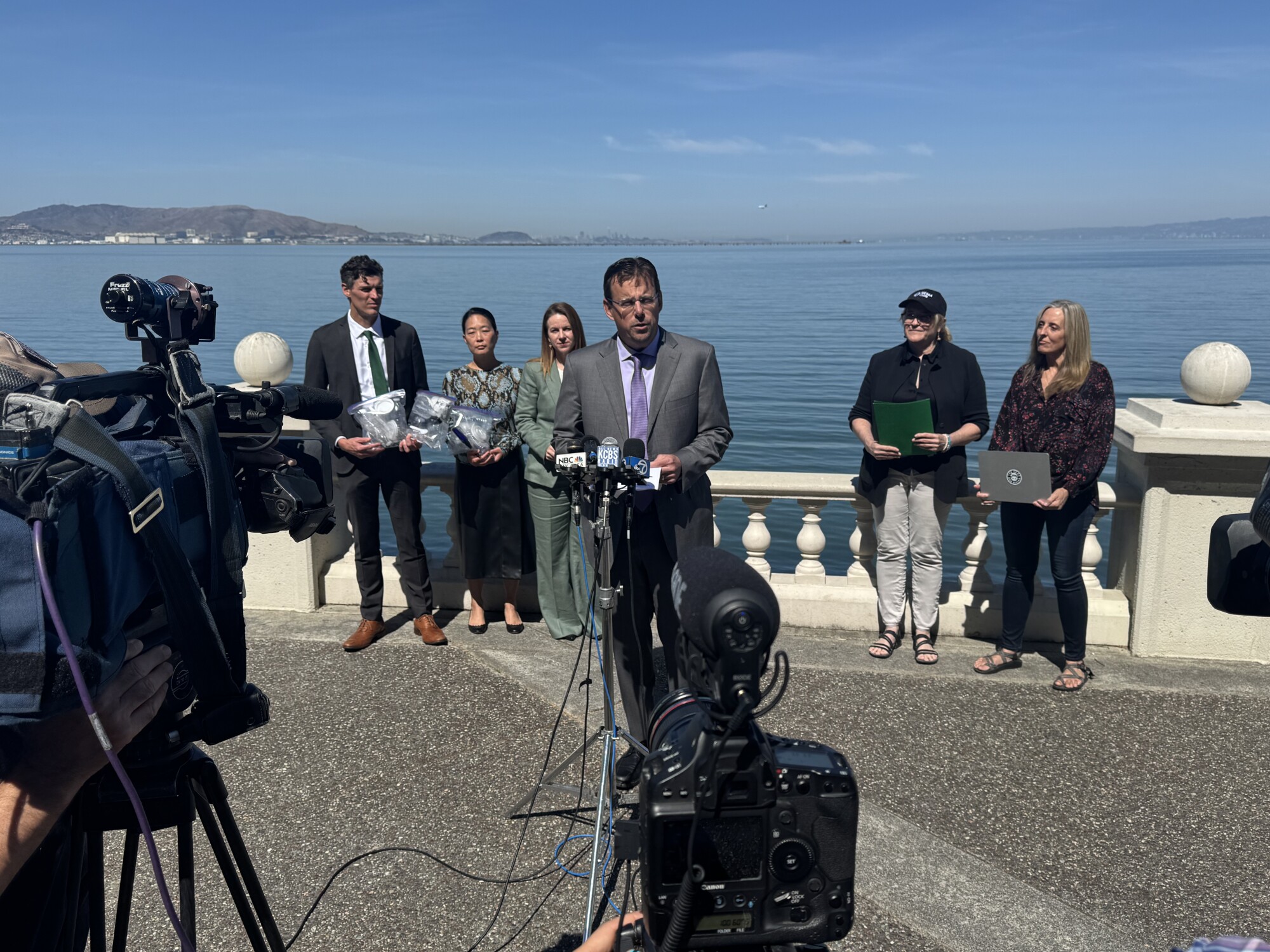
Today, a coalition of non-profit environmental organizations including the Surfrider Foundation, the Sierra Club, Heal the Bay, and San Francisco Baykeeper, represented by Cotchett, Pitre & McCarthy, filed a lawsuit against ExxonMobil (“Exxon”), the world’s largest producer of single-use plastic polymers. The complaint, filed in San Francisco County Superior Court, alleges violations of California nuisance law and California unfair competition law and alleges Exxon concealed the harms caused by single-use plastics. The suit further alleges that Exxon systematically led the public to believe that plastic waste is easily and safely disposable via recycling, incineration or landfills, when in reality, plastic persists in the environment for thousands of years, leaking toxic chemicals that are known to harm human health and the environment. Exxon’s conduct has exacerbated the environmental crises of plastic pollution and harmed California’s coasts and waterways. The California Attorney General’s Office filed a separate action Monday addressing the same crises.
Even with recycling programs in place, in the U.S. less than 5% of our plastic is recycled into another plastic product, despite being labeled as “recyclable.” Even when plastic is recycled, it is often just recycled once and then ultimately discarded, which is why Exxon is continuing to scale up its virgin plastic polymer production capacity. As alleged, these Exxon-produced polymer resins are directly responsible for over 6 million metric tons of plastic waste annually — equivalent to the weight of 300,000 garbage trucks — which end up contaminating our environment and our bodies, at every stage of its product lifecycle.
NPR reported in 2020 that fossil fuel giants knew for decades that recycling wouldn’t solve the plastic waste environmental crisis or keep plastic out of landfills, according to internal industry documents. The Center for Climate Integrity also reported that Exxon spent millions of dollars on efforts to manipulate consumers’ perceptions of plastics recycling.
Over 90% of U.S. consumers consider the amount of plastic in a product before deciding on a purchase. Exxon knew this fact — and exploited it. The complaint alleges Exxon concealed the truth about plastic and recycling, downplaying the risk of pollution from their products, while continuing to sell single-use plastics knowing they would be discarded.
Plastic pollution never biodegrades. Instead, plastic pollution breaks down into smaller and smaller pieces — sometimes referred to as microplastics. Avoiding microplastics in our daily lives is virtually impossible. It is in our drinking water, it is in the food we eat, and it is even in the air we breathe. The average American inhales and ingests the equivalent of a credit card's worth of microplastics each week, and microplastics have been found in human blood, heart and brain tissue, placentas, and even breast milk. This is well beyond consumer choice or individual responsibility — and there must be corporate accountability for a decades-long campaign to bury the truth about the known human health impacts caused by plastics.
The complaint alleges it’s time to hold Exxon responsible for decades of deceit about recycling, for overproducing plastics, and for the harm they cause to our environment and our bodies. This lawsuit seeks to protect Californians from Defendant’s harmful conduct.